


Introduction
How much does a Ford F-250 weigh? The 2026 Ford F-250 Super Duty can weigh between 5,697 and 8,627 pounds at the curb. For safe towing, accurate payload planning, and legal road compliance while maximizing fuel efficiency, you need to know this exact weight. The F-250 is a heavy-duty work truck that can do a lot of different jobs. It can be used every day as a daily driver or as a commercial-grade transporter.
When we look at the Ford F-250 Super Duty weight specs, the biggest differences are in the cab style and bed length. Together, these two things tell you how much your truck weighs before you add any cargo or equipment. Knowing about these differences in weight helps you pick the configuration that works best for you and the way you like to drive.
We’ve put together detailed weight information for all of the possible combinations. Each configuration offers unique benefits depending on whether you prioritize passenger comfort, cargo space, or keeping weight down for maximum payload capacity. Our team at Sarasota Ford can walk you through how these choices affect your truck’s performance and capability.
Regular Cab F-250 Weight Specifications
The Regular Cab represents the lightest F-250 configuration available. At 5,697 pounds, this setup delivers maximum payload capacity for serious work applications. This cab style seats three people across a single bench seat, making it perfect for commercial use where passenger space takes a back seat to hauling ability.
Ford only offers the Regular Cab with an 8-foot bed. This pairing creates the ultimate work truck configuration. The extended bed length provides ample cargo space while the streamlined cab keeps weight at its absolute minimum.
Short Bed vs Long Bed Weight Difference
While the Regular Cab comes exclusively with the long bed, this weight distinction becomes important with other cab styles. The difference between a 6.75-foot bed and an 8-foot bed typically adds 100 to 200 pounds to your truck’s curb weight. This additional weight comes from the extra steel, frame length, and structural components needed for the longer cargo box.
The shorter bed offers better maneuverability in tight spaces and parking situations. The longer bed provides approximately 16 cubic feet more cargo volume, making it ideal for construction materials, landscaping equipment, or other oversized loads that need the extra room.
Super Cab Weight Range
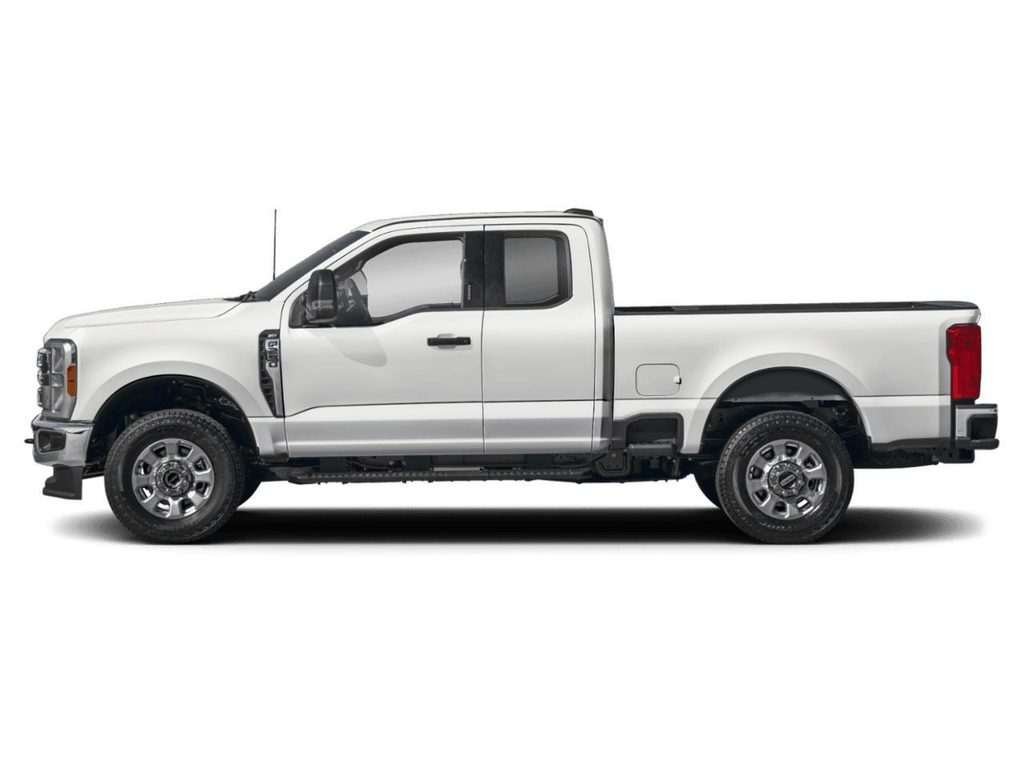
The Super Cab configuration strikes a balance between workspace and passenger accommodation. This setup features rear-hinged access doors and moderate rear legroom for occasional passengers or secure storage. The Super Cab weighs 5,995 pounds with the 6.75-foot bed and 6,104 pounds with the 8-foot bed.
This represents a 109-pound difference between bed lengths. For 2026 Ford truck weight comparison purposes, the Super Cab offers versatility without the full weight penalty of a four-door configuration. Many fleet operators and small business owners choose this middle-ground option.
Crew Cab Weight Details
The Crew Cab stands as the most popular F-250 configuration among retail buyers. This full four-door setup offers genuine rear-seat comfort with adult-friendly legroom and easy access. The Ford F-250 Super Duty Crew Cab with the 6.75-foot bed weighs 6,041 pounds, while the 8-foot bed version comes in at 6,264 pounds.
Here’s an interesting detail: a Crew Cab with the short bed actually weighs less than a Super Cab with the long bed. This happens because bed length impacts weight more significantly than you might expect. The Crew Cab’s 223-pound spread between bed options shows how configuration choices compound. Families and recreational users typically prefer the Crew Cab for its passenger accommodations.
What Is the Difference Between Curb Weight and GVWR?
Curb weight and gross vehicle weight rating (GVWR) describe two different measurements. Curb weight indicates how much the truck weighs when it is ready to operate without passengers or cargo. GVWR represents the maximum permitted total weight of the loaded vehicle, as specified by the manufacturer.
Example
A particular F-250 configuration might have a curb weight of 6,500 pounds and a GVWR of 10,000 pounds. The difference between those numbers is 3,500 pounds. However, this is only an illustrative calculation; the actual payload allowance depends on the truck’s certified ratings and equipment. Owners should never assume that every F-250 can carry the same amount of weight. The door-jamb certification label provides the relevant vehicle ratings, and the specific payload information should guide loading decisions.
How Does the Engine Affect Ford F-250 Weight?
The engine is one of the most important factors influencing a truck’s curb weight. Ford offers gas and diesel engines in its Super Duty lineup, and these powertrains differ in their construction and weight.
Gas-powered F-250 models generally weigh less than comparable diesel versions. Diesel engines often add weight because of their heavier construction and associated equipment. However, the difference varies by configuration, and a diesel truck’s final weight also depends on its cab, drivetrain, bed, and optional features.
A buyer who primarily drives around town or performs moderate hauling may prefer a gas-powered model. Someone who regularly tows heavy trailers may consider a diesel model for its available torque and towing characteristics. Engine selection should account for operating costs, intended use, and the truck’s rated capabilities, not weight alone.
Does Four-Wheel Drive Make the F-250 Heavier?
Yes. Four-wheel-drive systems generally add weight compared with comparable two-wheel-drive configurations. Additional drivetrain components, such as a transfer case and front-drive hardware, contribute to the difference.
The exact increase depends on the model year and equipment package. For example, two F-250 trucks with the same engine, cab, and bed may have different curb weights because one uses 4×2 and the other uses 4×4. Four-wheel drive can improve traction on rough roads, muddy surfaces, and certain challenging driving conditions, but buyers should also consider its effect on fuel economy, maintenance, and payload capacity.
How Do Cab Size and Bed Length Affect Weight?
The Ford F-250 comes in different cab and bed combinations. A regular cab generally accommodates fewer passengers, while a Super Cab provides additional interior space and a crew cab offers four full-size doors and a larger passenger compartment.
A larger cab may add weight because it uses more body structure and interior components. Bed length can also affect the vehicle’s overall dimensions and weight. The exact result depends on the selected configuration rather than cab size alone.
A regular-cab truck with a long bed may suit construction businesses, contractors, and people who frequently transport equipment. A crew-cab model may work better for families or work teams that need additional seating. Buyers should compare the curb weight and payload rating of each configuration before making a final decision.
Conclusion

So, how much does a Ford F-250 weigh? Selected 2025–2026 configurations have base curb weights ranging from approximately 5,697 pounds to 7,660 pounds, with the exact figure depending on engine type, cab style, bed length, drivetrain, and equipment. The curb weight tells only part of the story. Buyers and owners should also consider GVWR, payload capacity, axle ratings, and towing limits to determine how much weight the truck can safely carry or tow.
Checking the specifications for the exact F-250 model is the best way to make an informed decision, whether the truck will be used for everyday driving, commercial work, agricultural tasks, or recreational towing.
