

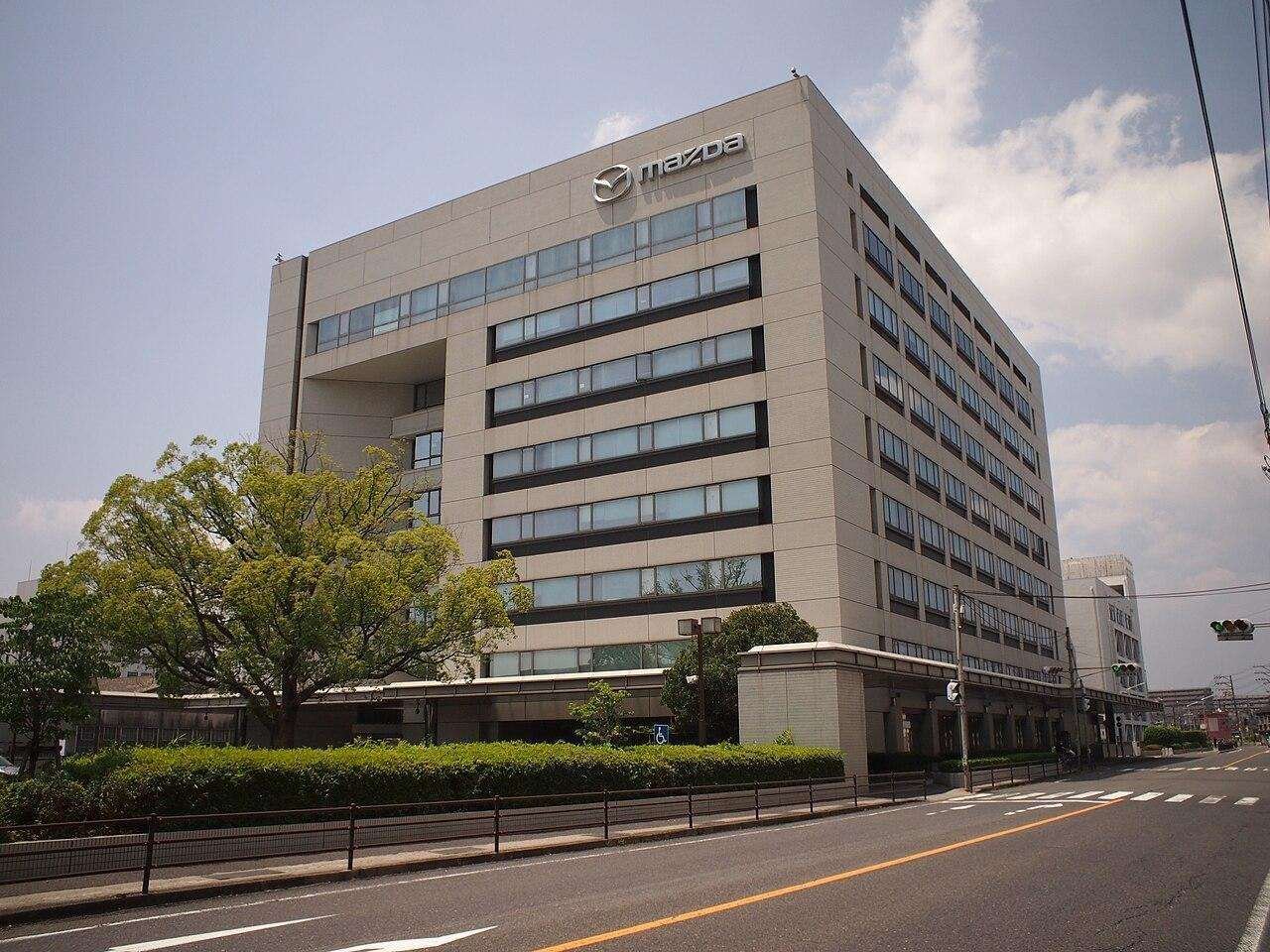
Mazda is a Japanese automobile manufacturer known for its distinctive designs, driving experience, and engineering. Many people ask, “Who owns Mazda now?” The short answer is that Mazda remains an independent, publicly traded company. No other automaker owns Mazda as a subsidiary. Mazda has developed strategic partnerships with other companies, especially Toyota. However, these partnerships do not mean that Toyota controls Mazda. Mazda continues to operate under its own management, brand identity, business strategy, and product development structure.
Who Owns Mazda Now?
Mazda Motor Corporation is a publicly traded Japanese company. Its shares are held by a wide range of investors, including financial institutions, investment companies, and individual shareholders. The Master Trust Bank of Japan and Custody Bank of Japan are among Mazda’s major shareholders. However, Mazda does not have a single parent automobile company that controls its operations. This structure allows Mazda to make its own business decisions while working with other companies when strategic cooperation can benefit its operations.
Does Toyota Own Mazda?
Toyota Motor Corporation holds a strategic stake in Mazda. Toyota acquired approximately 5.1% of Mazda’s shares, while Mazda also holds a small stake in Toyota. Despite this ownership relationship, Toyota does not own Mazda outright. Mazda remains a separate publicly traded company with its own management and corporate structure. The relationship between the two companies goes beyond share ownership. Toyota and Mazda cooperate on several business and technology projects. Their partnership has included vehicle development, manufacturing, technology, and other areas of the automotive industry. Therefore, it is more accurate to describe Toyota as a strategic partner and minority shareholder rather than the owner of Mazda.
Mazda’s Relationship With Toyota
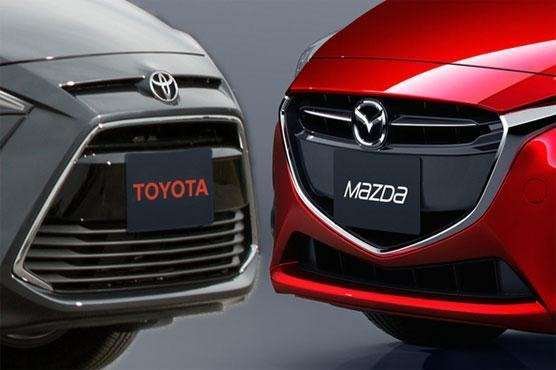
Mazda and Toyota have maintained a close business relationship for several years. The two companies have worked together to reduce development and production costs while taking advantage of each other’s technological expertise.
One important example is their cooperation in the United States. Mazda and Toyota have worked together on manufacturing operations and vehicle production. Their partnership also supports the development of technologies that can help both companies compete in a rapidly changing automotive market. This cooperation gives Mazda access to additional resources while allowing the company to maintain its own identity. Toyota’s involvement therefore does not eliminate Mazda’s independence. Instead, the partnership gives both automakers’ opportunities to cooperate while continuing to operate as separate companies.
Who Runs Mazda?
Mazda operates under its own corporate leadership and management structure. Masahiro Moro serves as Mazda’s representative director, president, and CEO. Moro has extensive experience within Mazda and previously held leadership positions in the company’s North American operations. His international experience has helped him understand important markets and changing customer preferences. Under its current leadership, Mazda continues to focus on long-term growth, product development, technological innovation, and sustainable business operations. The company also aims to respond quickly to changes in the automotive industry. These changes include electrification, new safety technologies, changing customer preferences, and increasing competition in global markets.
Mazda’s Global Operations
Mazda has a long history in the automotive industry. The company traces its origins to Japan and has expanded its operations across several international markets. Today, Mazda sells vehicles in many countries and operates manufacturing and production facilities in different parts of the world. Japan remains an important center for Mazda’s operations, while the company also has manufacturing activities in markets such as the United States and Mexico. Mazda’s global presence allows the company to serve customers in major automotive markets while maintaining its Japanese engineering heritage.
Mazda’s Popular Vehicles
Mazda offers a wide range of passenger cars and SUVs. Some of its best-known models include the Mazda CX-5, CX-30, Mazda3, and MX-5 Miata. The CX-5 has become one of Mazda’s most recognizable SUVs. It combines a practical interior with Mazda’s focus on driving performance and styling. The smaller CX-30 appeals to buyers who want an SUV with a more compact size. Customers often compare the CX-30 with the CX-5 because both models offer SUV practicality while targeting different needs. Mazda also has a strong reputation among enthusiasts because of vehicles such as the MX-5 Miata and its historic rotary-powered models.
Mazda’s Rotary-Engine Heritage
Mazda has a unique place in automotive history because of its long association with rotary-engine technology. The company produced several famous rotary-powered vehicles, including the RX-7. Earlier models such as the Mazda R100 also helped establish Mazda’s reputation for innovative engineering. Although Mazda no longer produces traditional rotary-powered sports cars such as the RX-7, the company’s rotary-engine heritage remains an important part of its identity.
Automotive enthusiasts around the world continue to maintain and collect classic Mazda vehicles. This strong enthusiast community contributes to the company’s distinctive position in the global automotive market.
Are Mazda Cars Reliable?
Mazda has developed a reputation for producing vehicles that offer a balance of reliability, performance, and practical design. However, reliability can vary by model, model year, maintenance history, and driving conditions. Like other automobile manufacturers, Mazda has also experienced recalls and technical issues affecting certain vehicles. For example, some Mazda models have experienced specific component-related problems. Owners should check the maintenance schedule and recall information for their particular vehicle.
Regular maintenance can also help keep a Mazda in good condition. Following the manufacturer’s recommended service schedule, checking fluids, and addressing warning signs early can reduce the risk of expensive repairs.
Are Mazda Dealerships Independently Owned?
Mazda dealerships operate separately from Mazda Motor Corporation. Many dealerships have their own ownership structures and management teams. Some dealerships belong to large automotive dealer groups, while others operate as family-owned businesses. These dealerships sell and service Mazda vehicles under agreements with the Mazda brand. This distinction is important because owning a Mazda dealership does not mean owning Mazda Motor Corporation.
A local dealership represents the Mazda brand in its market, while Mazda Motor Corporation remains the publicly traded company responsible for the global Mazda brand and its corporate operations.
Is Mazda Still Independent in 2026?
Yes. Mazda remains an independent automobile manufacturer in 2026. Toyota’s minority ownership stake and strategic partnership do not turn Mazda into a Toyota subsidiary. Mazda continues to maintain its own corporate identity, leadership, vehicle lineup, engineering direction, and business operations.
At the same time, Mazda recognizes the value of strategic cooperation. Partnerships can help automakers share costs, develop new technologies, and respond to major industry changes. Mazda’s relationship with Toyota is therefore an example of cooperation between two separate automobile manufacturers rather than a traditional parent-company and subsidiary relationship.
Conclusion: Who Owns Mazda Now?

So, who owns Mazda now? Mazda Motor Corporation remains a publicly traded Japanese automobile manufacturer. No major automobile manufacturer owns Mazda as a subsidiary. Toyota is one of Mazda’s important strategic partners and holds a minority share in the company. The two automakers cooperate in areas such as manufacturing, technology, and vehicle development, but Toyota does not control Mazda. Mazda continues to operate under its own management and maintain its own brand identity. Its popular vehicles, including the CX-5, CX-30, Mazda3, and MX-5 Miata, remain part of the company’s independent product lineup.
In simple terms, Toyota is Mazda’s strategic partner and minority shareholder, not Mazda’s parent company. Mazda remains an independent Japanese automaker while using strategic partnerships to strengthen its position in the global automotive industry.
