
What Is a Squatted Truck – Is It Legal or Illegal?
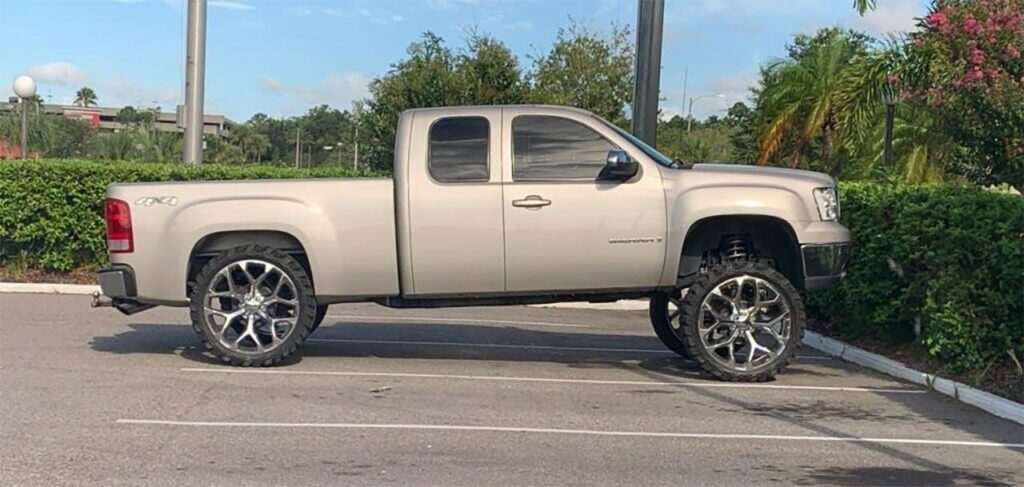
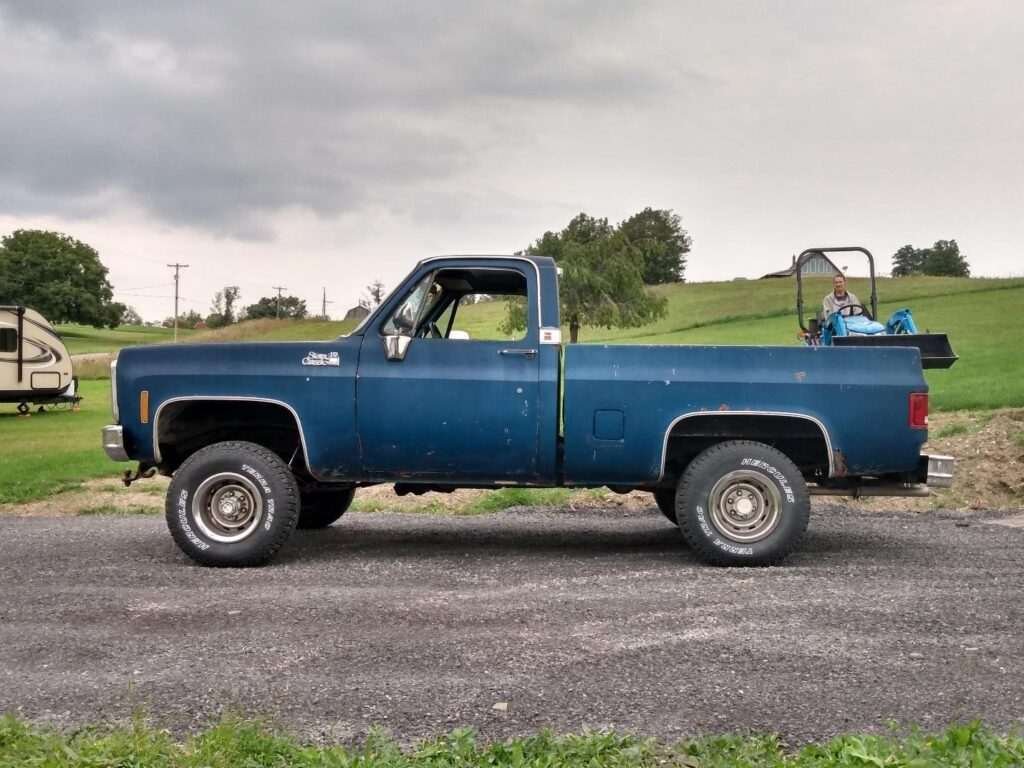
A new trend in the automotive world has attracted plenty of attention. It is especially common among truck and SUV owners. The style has raised questions about appearance, safety, and the law. A squatted truck, also called a “Carolina Squat” or “tooted truck,” has a distinctive stance. Owners create this look by raising the front end while keeping the rear suspension at its original height or lowering it. Many trucks use a six- to eight-inch front lift. This creates a dramatic reverse rake, with the front sitting much higher than the rear. But where did this trend begin? Why did it become popular? And is a squatted truck legal?
Let’s look at everything you need to know.
How Did Squatted Trucks Start?
The name “Carolina Squat” suggests that the style started in the Carolinas. The story is more complicated. The Carolinas helped popularize the extreme reverse-rake look. Truck owners also combined it with large wheels and low-profile tires. However, people had already used reverse-rake modifications in other parts of the United States. California developed several related truck styles. These include the Cali Lean, CenCal, and Baja Stance.
South Carolina Squat vs. California Lean
California truck culture helped shape several reverse-rake styles. These styles include CenCal, Cali Lean, and Baja Stance. Although they share a similar appearance, they have some important differences.
1. Different Origins
The Baja 500 and Baja 1000 races in Southern California influenced California truck styles. Many trucks used in these races are called prerenders. They use suspension systems designed to handle rough terrain and high speeds. Their suspension setup can make the front appear higher than the rear. Carolina Squat trucks use a similar stance for a different reason. Owners mainly create the nose-high look as a styling choice.
2. Different Ride Heights
Carolina Squat trucks often have a much more dramatic stance. Some owners raise the front by as much as 10 inches while lowering the rear. Cali Lean, CenCal, and Baja Stance trucks usually have a smaller difference. Many sit only about two to three inches lower at the rear.
3. Different Wheels and Tires
These styles also use different wheel and tire combinations. CenCal trucks often use smaller wheels and tires. Carolina Squat trucks commonly use large wheels with low-profile tires. Baja Stance trucks usually take a different approach. They often use smaller wheels with larger tires for an off-road appearance. Carolina Squat trucks may also include other modifications. These can include roof racks, straight-pipe exhaust systems, and CB radios with large whip antennas mounted in the truck bed.
4. Different Types of Trucks
Different truck models have become associated with each style. Carolina Squat owners often modify Chevrolet Silverado and GMC Sierra half-ton trucks from the early to mid-2000s. CenCal builds commonly feature three-quarter-ton and one-ton diesel pickups. Baja Stance builds often use Ford Rangers, Ford F-150s, and Broncos.
Why squatted trucks are dangerous?
Squatted trucks can create several safety problems.
Poor visibility.
The extreme difference in ride height can restrict the driver’s field of view. The raised front end can make it difficult to see objects directly in front of the truck. This creates a serious risk for pedestrians and other vehicles. Some crashes involving modified trucks have raised concerns about limited visibility.
Headlight Problems
The altered suspension can also change the angle of the headlights. When the front sits much higher than the rear, the headlights can point too high. Instead of lighting the road properly, they may shine into the eyes of other drivers. This can reduce visibility for approaching traffic.
Handling and Suspension Issues
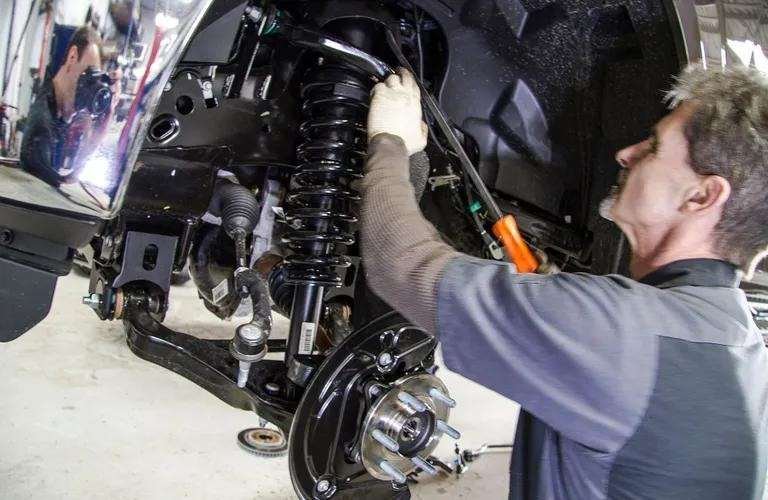
Squatting a truck changes its suspension geometry. It could also affect wheel alignment and handling. Changes of this type could make the truck more difficult to handle — especially at higher speeds.
Possible Engine Problems
Extreme angles can also create mechanical concerns. For example, if the truck is tilted, engine oil may drift toward the back of the oil pan. If the oil pickup tube cannot reach enough oil, the engine may experience oil starvation. Starving the engine of oil can be catastrophic damage. It can destroy things like crankshaft bearings, timing components, camshafts and cylinder walls. The exact risk depends on the vehicle and the extent of the modification.
What is Squatted Truck Illegal?
They can be illegal, depending on where the truck is registered and driven. Several U.S. states have passed laws to regulate extreme suspension modifications. Safety concerns have played an important role in these laws. North Carolina introduced restrictions on extreme vehicle modifications in December 2021. Virginia followed with restrictions in March 2022. Other states have introduced similar legislation. In South Carolina, the restrictions went into effect in July 2023. Louisiana imposed restrictions in August 2023, and Tennessee in July 2024. But the rules are different in each state.
Certain laws pertain to the disparity between front and rear ride heights. Other laws use specific measurements involving the vehicle’s bumpers or suspension. In some jurisdictions, a truck with a front end several inches higher than the rear may violate the law. Therefore, truck owners should check the current vehicle-modification laws in their state before making major suspension changes.
Will More States Ban Squatted Trucks?
The future of squatted-truck laws remains uncertain. Some states have contemplated further restrictions on extreme vehicle modifications. Mississippi, for example, considered legislation addressing the difference between the front and rear of pickup trucks. Penalties also may vary by state. They may include fines, registration problems, or other legal consequences. Truck owners should therefore check local laws before installing an extreme lift or lowering kit.
Conclusion
Now, squatted trucks are a staple of modern truck culture. This style raises the front and lowers or leaves the rear at its original height, creating a more dramatic look. But extreme modifications can affect visibility, headlights, suspension geometry, handling and possibly engine lubrication. The law also varies throughout the US. Some states now restrict or prohibit extreme versions of the Carolina Squat. Before modifying a truck, owners should understand both the safety risks and the laws in their state.
